Disaster Recovery Planning in South Africa: What You Need to Know
Disaster recovery planning is a critical component for businesses in South Africa, ensuring that operations can continue smoothly after unexpected disruptions. Whether it's natural disasters, cyber-attacks, or unforeseen technical failures, having a robust recovery plan is essential. In this article, we'll explore the key elements of disaster recovery planning and why it's particularly important for South African businesses.
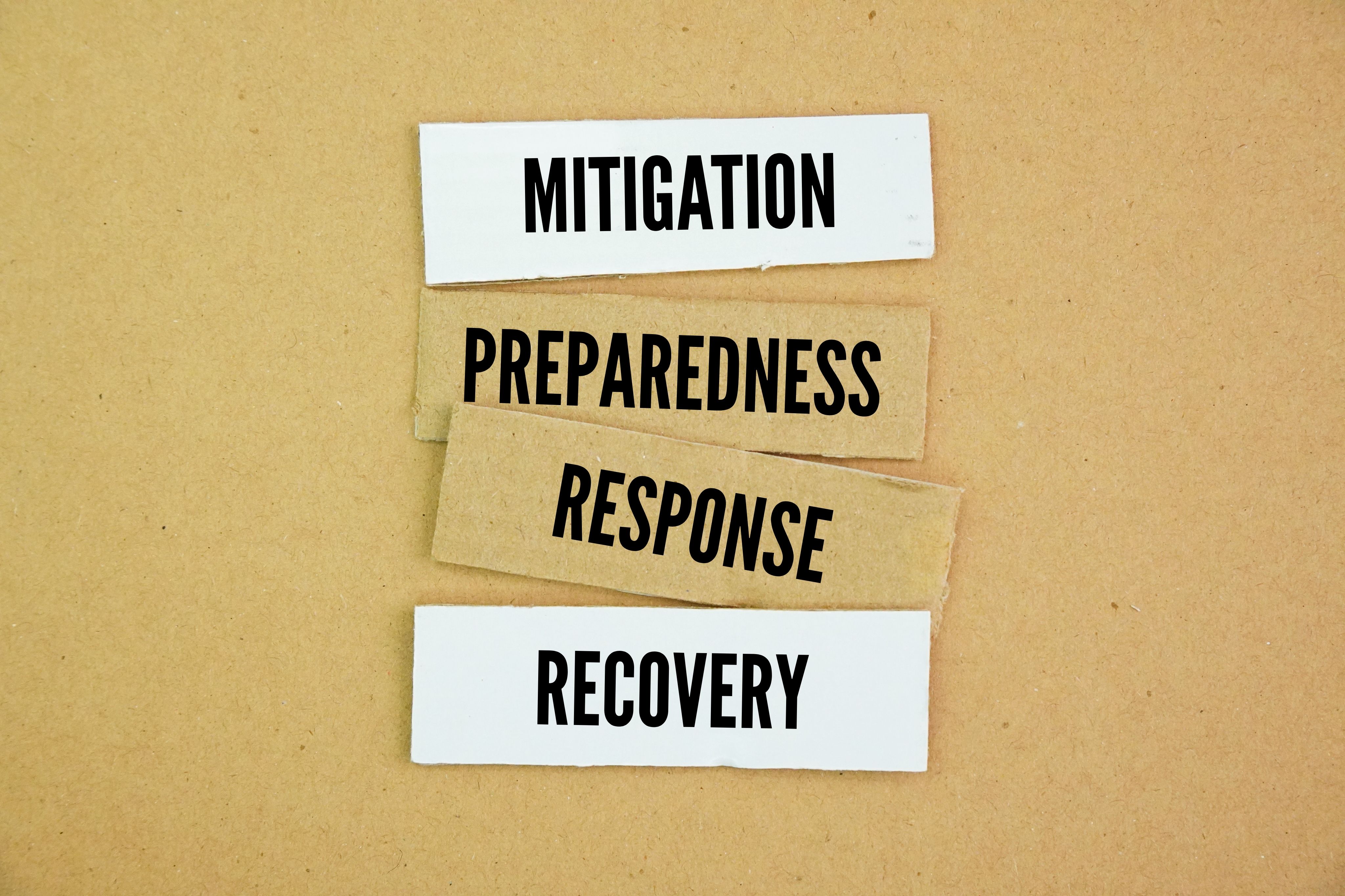
Understanding Disaster Recovery
Disaster recovery (DR) involves a set of policies and procedures that enable the recovery or continuation of vital technology infrastructure and systems following a disaster. In South Africa, diverse challenges such as power outages and extreme weather conditions make DR planning indispensable.
Key Components of a Disaster Recovery Plan
A comprehensive disaster recovery plan should include the following components:
- Risk Assessment: Identify potential risks and their impact on your business.
- Business Impact Analysis (BIA): Determine the effects of an interruption to critical business functions.
- Recovery Strategies: Develop strategies to recover operations and systems quickly.
- Testing and Maintenance: Regularly test and update the DR plan to ensure effectiveness.
The Importance of Regular Testing
Regular testing and maintenance of your disaster recovery plan are crucial. Testing helps identify gaps in the plan and ensures that all team members are familiar with their roles during a disaster. In South Africa, where the business environment can be unpredictable, regular testing provides a level of assurance that your business can withstand disruptions.
Involving Stakeholders
Involving all relevant stakeholders in the disaster recovery planning process is essential. This includes IT staff, management, and any external vendors or partners. Clear communication and collaboration help ensure that everyone understands their responsibilities and that the plan is comprehensive and effective.
Technology and Tools
Utilizing the right technology and tools is vital for effective disaster recovery. South African businesses should invest in advanced backup solutions, cloud services, and cybersecurity measures. These technologies can significantly reduce downtime and data loss, helping businesses recover faster and more efficiently.

Legal and Regulatory Considerations
In South Africa, compliance with legal and regulatory standards is a critical aspect of disaster recovery planning. Businesses must adhere to local laws concerning data protection and privacy, ensuring that their DR strategies align with these requirements.
Disaster recovery planning is a vital investment for businesses in South Africa. By understanding the components of a DR plan, regularly testing and involving stakeholders, and leveraging the right technology, businesses can safeguard their operations against unexpected disruptions. Taking these steps not only ensures business continuity but also enhances resilience and confidence in the face of adversity.